Molima Typeface: A Playful Script Font for Handmade Branding
I was sitting at my desk last Tuesday, surrounded by half-cut vinyl sheets and a stack of unprinted candle labels, trying to decide on the final typography for my new lavender soy wax collection. I had spent hours perfecting the color palette—soft purples, creamy whites, and muted greens—but the text felt flat. It lacked that "handcrafted" warmth that makes customers stop scrolling on Etsy. That’s when I pulled up Molima. Within minutes, the entire mood of the label shifted. The letters didn’t just sit there; they danced. They felt friendly, approachable, and undeniably trendy. This is the kind of moment every maker knows: finding a typeface that doesn’t just convey information but actually elevates the perceived value of your product.
Why Molima Fits the Modern Maker Aesthetic
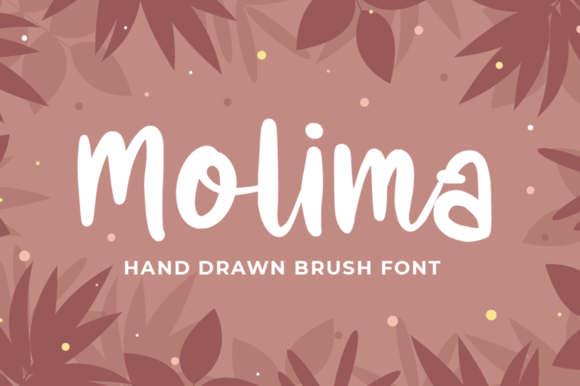
Molima is more than just a script font; it is a visual personality. Designed with cleanliness and friendliness in mind, this typeface exudes playfulness without sacrificing readability. For creators who sell physical goods or digital downloads, first impressions are everything. When a customer sees your packaging, your shop banner, or your listing image, the font you choose sets the tone before they even read the description.
The visual charm of Molima lies in its balance. It avoids the overly ornate, difficult-to-read traps of some traditional calligraphy fonts while steering clear of the generic look of standard cursive scripts. Instead, it offers a refreshing look that feels modern yet personal. Whether you are designing boutique tags for handmade jewelry or creating a welcome sign for a wedding, Molima brings a sense of joy and creativity to the design. It is a creative font that understands the need for trendiness in today’s market, where clean lines meet handwritten warmth.
Real-World Applications for Your Shop
One of the biggest challenges for small business owners is versatility. You need a single asset that can work across multiple products without looking out of place. Molima proves to be an incredibly adaptable tool for various handmade product categories.
Packaging and Product Labels
If you sell candles, bath bombs, or artisanal food items, your labels are your silent salesperson. Using Molima for the product name creates an immediate connection. Imagine a jar of honey with "Pure & Wild" written in Molima’s flowing strokes against a kraft paper background. The contrast between the organic texture of the paper and the smooth, clean curves of the script enhances the natural appeal of the product. It signals to the buyer that care was taken in the branding process.
Greeting Cards and Stationery
For stationery designers, emotional resonance is key. Molima is particularly effective for birthday cards, baby shower invitations, and thank-you notes. Its playful nature makes it perfect for celebratory messages. I recently tested it on a set of minimalist wedding invitations, using it for the couple’s names. Paired with a simple serif font for the details, the result was elegant yet fun. It avoided the stiffness often associated with formal stationery, making the event feel more intimate and welcoming.
Digital Printables and Wall Art
In the realm of digital downloads, such as printable wall art or planner pages, visibility is crucial. Molima works beautifully as a display font for short phrases. A piece of nursery art featuring the word "Dream" in large Molima letters can become the focal point of a room. Because the font has a distinct character, it stands out even in thumbnail views on social media platforms like Pinterest or Instagram, which are vital for driving traffic to your shop.
Merchandise and Apparel
When transferring designs to mugs, tote bags, or shirts via heat transfer vinyl (HTV) or sublimation, legibility remains a priority. Molima’s clean structure ensures that the text does not get lost in the fabric’s texture. It reads well from a distance, making it ideal for slogans on tote bags or motivational quotes on kitchen towels. The font’s friendly demeanor ensures that the message feels inviting rather than aggressive.
Design Tips for Maximum Impact
To get the most out of Molima, consider how you pair it with other elements. Typography is rarely about using one font in isolation. Here are some practical pairing strategies:
- Pair with Sans Serif: Use a clean sans serif font for body text or secondary information. The contrast between the structured lines of a sans serif and the fluid curves of Molima creates a balanced, professional look. This is excellent for ingredient lists on labels or dates on invitations.
- Pair with Simple Serifs: For a more editorial or sophisticated vibe, try pairing Molima with a light serif font. This combination works well for high-end boutique packaging or luxury wedding suites.
- Keep it Short: While Molima is readable, it shines brightest as a display font. Use it for titles, names, logos, and short phrases. Avoid using it for long paragraphs of text, as the decorative nature of the script can become fatiguing to read over extended periods.
Readability and Cutting Machines
For those using Cricut or Silhouette machines, testing your files is essential. Molima’s ligatures and connecting strokes can sometimes cause issues if the kerning is too tight. Always preview your design at the actual size you plan to cut or print. If you are creating small stickers or bottle labels, ensure there is enough white space around the letters so the words do not bleed together. Clear spacing enhances the "clean" aspect of the font and ensures your product looks polished.
Technical Considerations for Sellers
Before incorporating Molima into your commercial products, it is important to review the technical specifications. Check the included styles to see if there are alternate characters, swashes, or different weights available. These features can add variety to your designs without needing to purchase additional fonts. Additionally, verify the file formats provided. Having both .OTF and .TTF files ensures compatibility with various design software, whether you are using Adobe Illustrator, Canva, or Procreate.
Licensing is another critical step. Ensure you have the appropriate commercial license if you are selling physical items created with the font or distributing digital templates. Most premium fonts allow for use in end-products sold to customers, but restrictions may apply to reselling the font file itself or using it in logo designs that become trademarked assets. Always read the fine print to protect your handmade business.
Elevating Your Brand Identity
Consistency is the backbone of a successful brand. By choosing a typeface like Molima that aligns with your shop’s values—playful, clean, and friendly—you create a cohesive visual identity. When customers recognize your font style across your website, social media graphics, and physical packaging, they begin to trust your brand. It becomes part of your story.
In a crowded marketplace, small details make a big difference. Molima might seem like just another script font, but its specific blend of trendiness and readability gives it a unique edge. It allows makers to communicate professionalism while maintaining a human touch. As you prepare your next batch of products, take a moment to experiment with Molima. See how it transforms a plain label into a branded experience, or how it turns a simple greeting card into a keepsake. In the world of handmade goods, that extra layer of thoughtfulness is what turns casual browsers into loyal customers.